The Ultimate Guide to Roof Flashing Repair: Protect Your Home from Water Damage
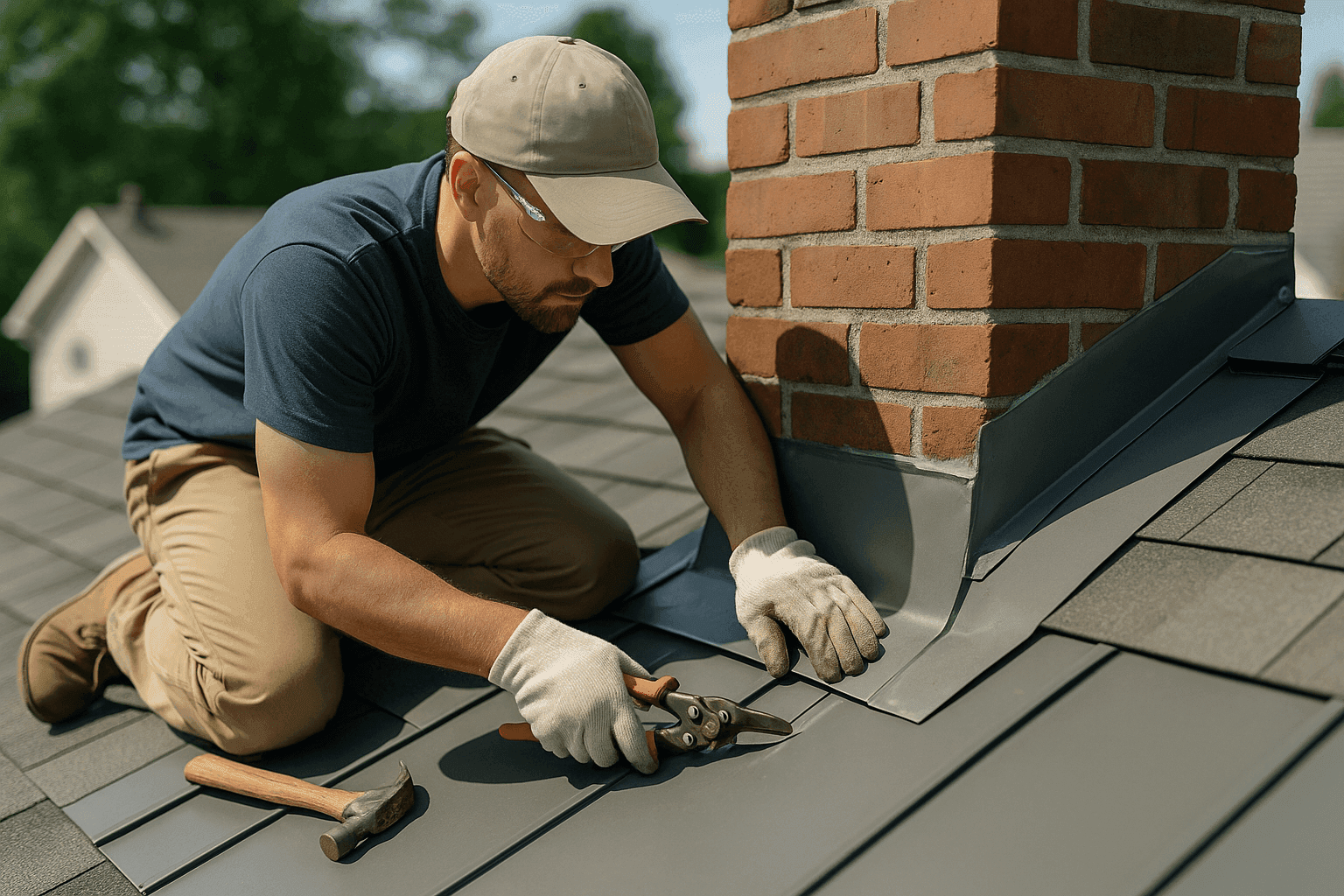
Is your roof ready for the next downpour? Most leaks don’t start with a dramatic drip. They sneak in quietly, often around the seams where your roof meets a chimney, vent, or skylight. That’s where roof flashing comes in—a small detail with a big job.
At Reston Roofing, we know how quickly a flashing issue can turn into an emergency roofing call. Let’s walk through what you need to know to protect your home or business from costly water damage.
What Is Roof Flashing—and Why Is It So Important? 🏠
Think of roof flashing as the raincoat for your roof’s most vulnerable spots. It’s thin metal—often aluminum, galvanized steel, or copper—shaped and installed to guide water away from seams, joints, and edges. You’ll find flashing around:
- Chimneys
- Skylights
- Roof valleys
- Vents and pipes
- Edges where roof meets wall
Without solid flashing, water sneaks into places it shouldn’t be. Over time, this can rot wood, ruin insulation, and even threaten the structure itself. According to the International Association of Certified Home Inspectors (InterNACHI), flashing failures are among the most common causes of roof leaks.
Common Causes and Signs of Flashing Damage
Even the best-installed flashing can take a beating from weather, temperature swings, and time. Here’s what can go wrong:
- Rust and corrosion: Metal breaks down, especially if scratched or exposed to salt air.
- Loose nails or fasteners: Wind, ice, or animals can dislodge them.
- Cracked or dried sealant: Sun and rain wear away protective caulking.
- Improper installation: Gaps or poor overlaps leave weak spots.
- Physical damage: Tree branches, hail, or foot traffic can bend or puncture flashing.
How do you know there’s a problem? Look for:
- Water stains on ceilings or walls near fireplaces, skylights, or vents
- Damp attic insulation or wood framing
- Visible gaps, rust, or lifted edges on roof flashing
- Mold or musty odors in the attic
If you spot any of these, don’t wait. Flashing problems rarely fix themselves.
Quick Safety Checklist: Before You Inspect
Before grabbing a ladder, keep safety front and center. Roof work can be risky—even for the handy.
- Use a sturdy, well-placed ladder on level ground
- Wear shoes with non-slip soles
- Avoid roof work in wet or windy conditions
- Don’t walk on steep or fragile roofs
- Watch for overhead power lines
- Keep someone nearby in case you need help
If you’re ever unsure, it’s safer to call a professional.
DIY Roof Flashing Inspection and Minor Repairs
You don’t need to be a contractor to spot trouble. Here’s how to check your flashing:
- Walk the perimeter: From the ground, use binoculars to scan for lifted or bent flashing.
- Check the attic: Look for stains, dampness, or daylight near chimneys and vents.
- Up close: If it’s safe, climb up for a closer look. Gently tug at the flashing—if it moves, it needs attention.
Minor fixes you can tackle:
- Reseal small cracks: Apply roofing caulk or sealant made for outdoor use. Make sure the area is dry and clean.
- Replace loose nails: Use roofing screws for a more secure hold.
- Patch minor rust: Clean with a wire brush and apply a rust-inhibiting primer and paint.
When to stop: If you see large gaps, widespread rust, or flashing that’s pulling away from the roof, it’s time for a professional. Some jobs require removing shingles or working around sensitive areas—best left to those with the right tools and training.
DIY vs. Call a Pro: How to Decide
Some repairs are like changing a lightbulb. Others are more like rewiring your house. Here’s how to know the difference:
DIY is okay for:
- Resealing small cracks or gaps
- Tightening a few fasteners
- Cleaning debris from flashing edges
Call Reston Roofing if you notice:
- Leaks inside your home or business
- Flashing that’s missing, badly rusted, or bent out of shape
- Damage at tricky spots (chimneys, valleys, skylights)
- Signs of structural rot or mold
Professional roofers use specialized materials and techniques to ensure repairs last. Plus, we can spot hidden problems before they get worse.
What Pros Do When They Arrive
When you call for emergency roofing help, here’s what to expect from a qualified team like Reston Roofing:
- Thorough inspection: We check all flashing—visible and hidden—for damage, loose sections, and failed sealant.
- Moisture assessment: Using moisture meters, we look for hidden leaks in insulation and framing.
- Material match: We select flashing that matches your roof type (shingle, metal, tile, flat) and climate.
- Proper installation: Old or damaged flashing is removed. New flashing is cut, shaped, and fastened per industry best practices (see National Roofing Contractors Association guidelines).
- Sealing and testing: All seams are sealed with high-grade caulks or tapes. We water-test repairs to ensure a tight seal.
We also check for related issues—like damaged shingles, clogged gutters, or failing underlayment—to prevent future leaks.
Choosing the Right Materials and Sealants
A patch is only as good as what you use. Here’s what matters:
- Flashing metal: Aluminum is lightweight and rust-resistant. Galvanized steel is strong and affordable. Copper lasts longest but costs more.
- Sealants: Use exterior-grade, UV-resistant roofing caulk or butyl rubber. Avoid cheap silicone—it can break down in sunlight.
- Fasteners: Galvanized roofing nails or screws prevent rust and hold tight in wind.
Always follow manufacturer instructions and building codes for your roof type.
Prevention & Maintenance: Keep Water Out for Good 🛡️
Like oil changes for your car, regular roof checkups pay off. Here’s how to keep flashing in top shape:
- Inspect twice a year: Spring and fall are ideal times to check for damage.
- After storms: Look for new leaks or visible flashing issues after heavy wind, hail, or snow.
- Clean gutters and downspouts: Clogged drainage can force water under flashing.
- Trim overhanging branches: Prevents physical damage and keeps debris off the roof.
- Check sealants: Reseal any cracks or gaps you find.
Annual inspections by a qualified roofer can catch small problems before they turn into emergencies.
Costs & Time Factors: What to Expect
Flashing repairs can range from a quick reseal to a more involved replacement. Here’s what affects the cost and timeline:
- Extent of damage: Small cracks cost less than replacing entire sections.
- Roof type: Steep, high, or complex roofs are more challenging and time-consuming.
- Material choice: Copper and custom metals cost more than aluminum or steel.
- Accessibility: Hard-to-reach areas (like tall chimneys) may require extra equipment.
Many minor repairs take less than a day. Larger jobs—especially if there’s water damage to wood or insulation—can stretch longer.
When It’s an Emergency
Sometimes, flashing fails at the worst possible time—during a storm or deep freeze. Here’s when to call for emergency roofing services:
- Water actively dripping or pooling indoors
- Large sections of flashing torn loose by wind or debris
- Sudden stains or bubbling paint on ceilings or walls
- Moldy smells after heavy rain
Quick action can limit damage and prevent costly repairs to your roof, attic, and interior.
FAQ: Common Questions About Roof Flashing Repair
How long does roof flashing last?
Most metal flashing lasts 20 years or more with good maintenance. Sealants may need touch-ups every few years, especially in harsh climates.
Can I use caulk to fix a flashing leak?
Caulk works for small cracks, but it’s not a permanent fix for major gaps or rusted flashing. For anything more than minor repairs, call a professional.
What’s the best time of year to repair flashing?
Spring and fall are ideal—mild weather helps sealants cure, and you’ll be ready for the next season’s storms.
How do I know if flashing is installed correctly?
Proper flashing should be tight to the roof, overlap correctly, and be sealed at all edges. A professional inspection is the best way to be sure.
Special Considerations for Roof Flashing Repair
- Building codes: Always follow local building codes and manufacturer recommendations for materials and installation. The International Residential Code (IRC) sets minimum standards.
- Historic or specialty roofs: Older homes or unique roof types may need custom flashing or special care.
- Eco-friendly options: Ask about recycled metals or low-VOC sealants if sustainability matters to you.
- Insurance claims: Document damage with photos and notes if you plan to file a claim after storm or water events.
Protect Your Property—Don’t Wait for the Next Leak
Water is sneaky. Flashing is your first line of defense. Whether you’re a homeowner or a small business owner, staying ahead of flashing issues means fewer emergencies, less stress, and a safer building.
Call Reston Roofing now — or reach us anytime at 877-978-3339 .