Emergency Roof Repair: What to Do When Disaster Strikes
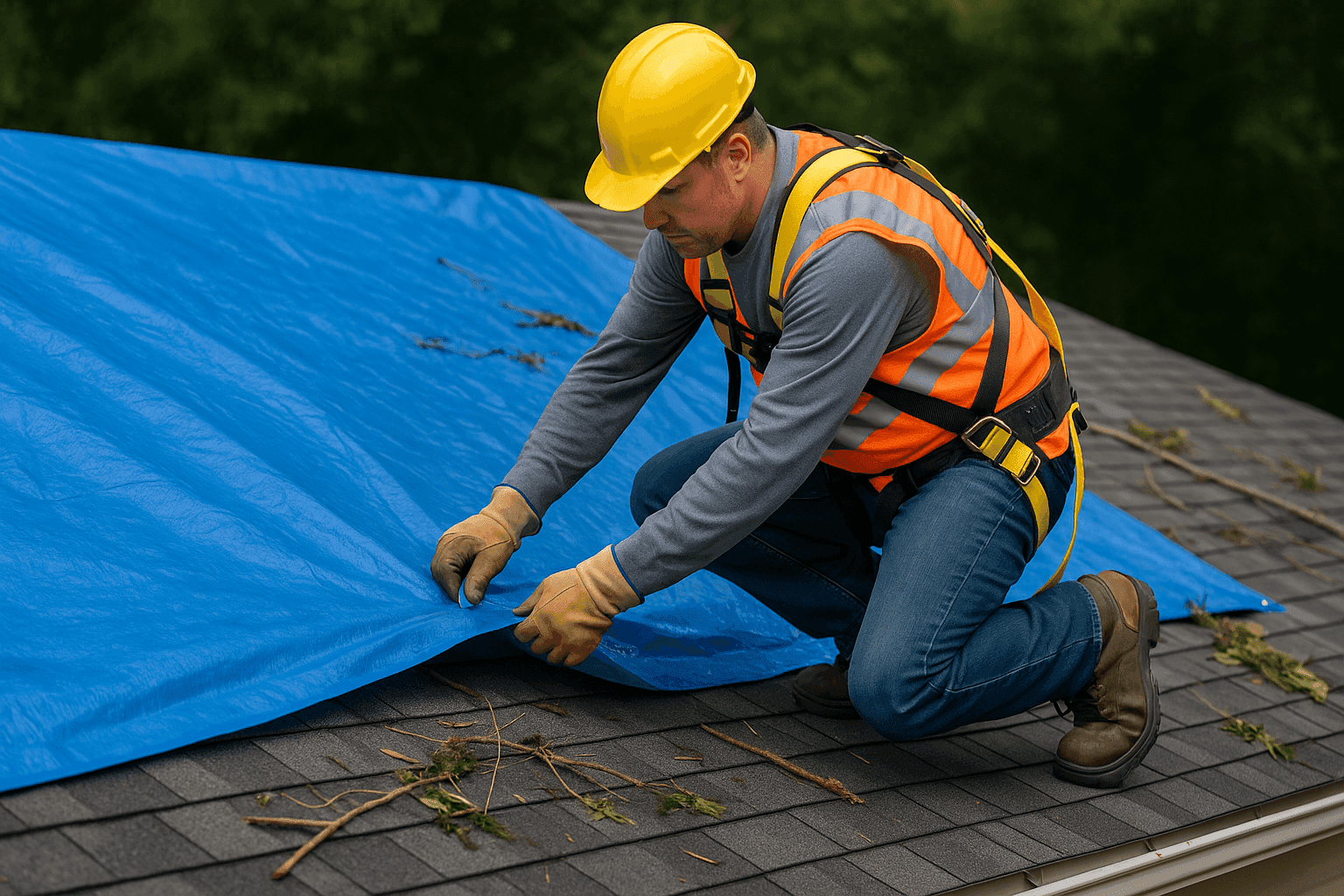
When disaster strikes your roof, panic is natural. Maybe a storm just rattled the rafters. Maybe you woke to water dripping steadily into your living room. Whatever the cause, you need answers—fast. At Reston Roofing, we’ve seen it all: shingle roofs torn by wind, metal panels peeled like sardine-can lids, commercial flat roofs turned into shallow ponds.
Knowing what to do next can make all the difference. Whether you own a home or manage a commercial property, these first moments matter. Here’s your professional, step-by-step guide to handling emergency roofing situations—confidently, calmly, and safely.
When the Sky Falls: Common Emergency Roofing Scenarios
Imagine: thunder shakes your windows, a branch crashes down, and suddenly your ceiling sags with water. Emergencies come in many forms:
- Storm damage: Wind, hail, and heavy rain can rip off shingles, damage flashing, or collapse older roofs.
- Fallen trees or branches: Impact can breach the roof, leaving gaping holes.
- Leaks and sudden water intrusion: Sometimes it starts as a trickle, then becomes a flood.
- Fire or structural failure: Even with sprinklers, fire can weaken roof decking and supports.
No matter the cause, a compromised roof is like a broken umbrella in a downpour—useless and dangerous. Immediate action is crucial.
Quick Safety Checklist: First Steps for Home & Business Owners 🛑
Before anything else, safety comes first. Here’s a rapid-fire checklist, whether you’re at home, in the office, or managing a commercial property:
- Check for immediate danger: Downed power lines, strong smells of gas, or sagging ceilings mean it’s time to evacuate. Don’t risk it.
- Avoid standing water: Especially near electrical outlets—water and electricity are a deadly pair.
- Look for visible structural damage: Cracks, bowing walls, or ceilings that look like they’re ready to give way.
- Move people and pets to safety: Away from affected rooms or the entire building if needed.
- Protect valuables: Move electronics, documents, furniture, and inventory out of the danger zone if it’s safe.
- Contain the water: Buckets, towels, or plastic sheets can help in a pinch, but never climb onto a damaged roof yourself.
- Document everything: Use your phone to take clear photos and video of damage—inside and out.
- Call for emergency roofing help: The sooner you call, the sooner professionals can assess and stabilize the situation.
Tarp or Tap Out? DIY vs. Call a Pro
It’s tempting to play the hero. But roofs are slippery—especially when wet, icy, or damaged. There’s a thin line between a quick fix and a trip to the ER.
When you might try a temporary fix:
- Rain is coming in a small leak and you can safely place a bucket underneath.
- You have plastic sheeting and can secure it from inside (not on the roof).
- You can close off a room or redirect water away from valuables.
Never attempt:
- Climbing onto the roof during or after a storm.
- Handling electrical wires or fixtures near water.
- Removing heavy branches or debris atop the roof.
Why call in the pros?
- Licensed, insured roofers like Reston Roofing arrive with safety gear, tarps, and the know-how to prevent further damage.
- We follow OSHA and local building codes, so your fix is up to standard—not a patchwork that fails in the next storm.
- For commercial properties, emergency roofing teams can minimize downtime and protect sensitive equipment.
What Emergency Roofing Pros Do On Arrival
When the cavalry arrives, here’s what you can expect:
- Rapid Assessment: We identify hazards, check the roof’s structural integrity, and determine if it’s safe to proceed.
- Temporary Weatherproofing: Heavy-duty tarps or plastic sheeting are secured to prevent more water intrusion.
- Interior Protection: We may help move key assets or set up barriers to shield interiors.
- Damage Documentation: Detailed photos and notes are taken for your insurance claim.
- Report & Next Steps: We explain the extent of damage and outline repair options, tailored to your type of roof—shingle, metal, tile, or flat.
For commercial roofs, we also check for code compliance and work with facility managers to keep operations running as smoothly as possible.
Prevention & Maintenance: The Calm Before (and After) the Storm 🌦️
The best emergency is the one that never happens. While nature has a mind of its own, here’s how you can stack the odds in your favor:
- Routine inspections: At least twice a year, check for loose shingles, clogged gutters, failing sealants, or standing water.
- Trim overhanging trees: Branches are lovely—until they become battering rams in a storm.
- Keep gutters and downspouts clear: Water should flow away from your property, not into your attic.
- Schedule professional maintenance: Licensed roofers can spot problems before they bloom into disasters.
- Know your roof’s age and limits: Shingle roofs near you may last 15–25 years; metal and tile often go longer with proper care.
Industry reference: The National Roofing Contractors Association (NRCA) and FEMA both recommend regular inspections as a core part of property maintenance.
Costs & Time Factors: What to Expect
Emergency roof repair isn’t one-size-fits-all. Here’s what influences costs and how long you might wait:
Factors affecting cost:
- Extent of damage (small leak vs. structural failure)
- Roof type (shingle, flat, metal, tile)
- Size and accessibility
- Materials required for temporary and permanent repair
- Labor and emergency response timing (after-hours or holiday work often costs more)
Time to repair:
- Tarping and containment: Often within hours of arrival
- Full repairs or replacement: Days to weeks, depending on weather, material availability, and insurance processing
Remember: Delaying repairs can lead to mold, ruined insulation, or even structural collapse—costing far more in the long run.
When It’s an Emergency: Warning Signs and Evacuation
Most leaks can wait a few hours, but some situations demand immediate action and, sometimes, evacuation:
- Visible sagging or bowing in ceilings or rafters
- Rapid, uncontrolled leaks (water pouring in)
- Downed power lines on or near the roof
- Fire or smoke damage
- Unusual sounds—creaking, cracking, or shifting
If you see these, get out and call emergency services. Roof repair comes after everyone is safe.
FAQ: Fast Answers for High-Stress Moments
Q: Is a small leak really an emergency?
A: Small leaks can turn big fast, especially during storms. Contain what you can and call for assessment.
Q: Can I patch my own roof while waiting for help?
A: Stay off the roof. Temporary fixes from inside—like buckets or plastic—are far safer. Leave climbing and tarping to professionals.
Q: How do I document damage for insurance?
A: Take wide and close-up photos, shoot video if possible, and note the time and weather conditions. Save receipts for anything you buy to protect your property.
Q: What should commercial property managers do differently?
A: Protect inventory, electronics, and sensitive equipment first. Communicate with tenants and staff. Call for emergency roofing services with commercial expertise.
Local & Seasonal Considerations: What’s Unique About Roofing Emergencies
Every region faces its own challenges. In winter, snow and ice dams can push even the strongest roof to the brink. Spring brings storms and wind. Autumn leaves clog gutters. Summer sun bakes and cracks older shingles.
If you’re in a hurricane zone, have a plan for rapid response. In snow-prone areas, learn the warning signs of ice damming and roof collapse. Commercial buildings with flat roofs are especially vulnerable to standing water—inspect after every major rainfall.
The U.S. Occupational Safety and Health Administration (OSHA) reminds property owners: never send untrained staff onto a roof after a storm. The risk isn’t worth it.
Emergencies can’t be scheduled. But your response can be smart, safe, and effective. If you’re facing sudden roof damage, don’t go it alone or take unnecessary risks.
Call Reston Roofing now — or reach us anytime at 877-978-3339 .