Roof Replacement vs. Repair: How to Decide What’s Right for You
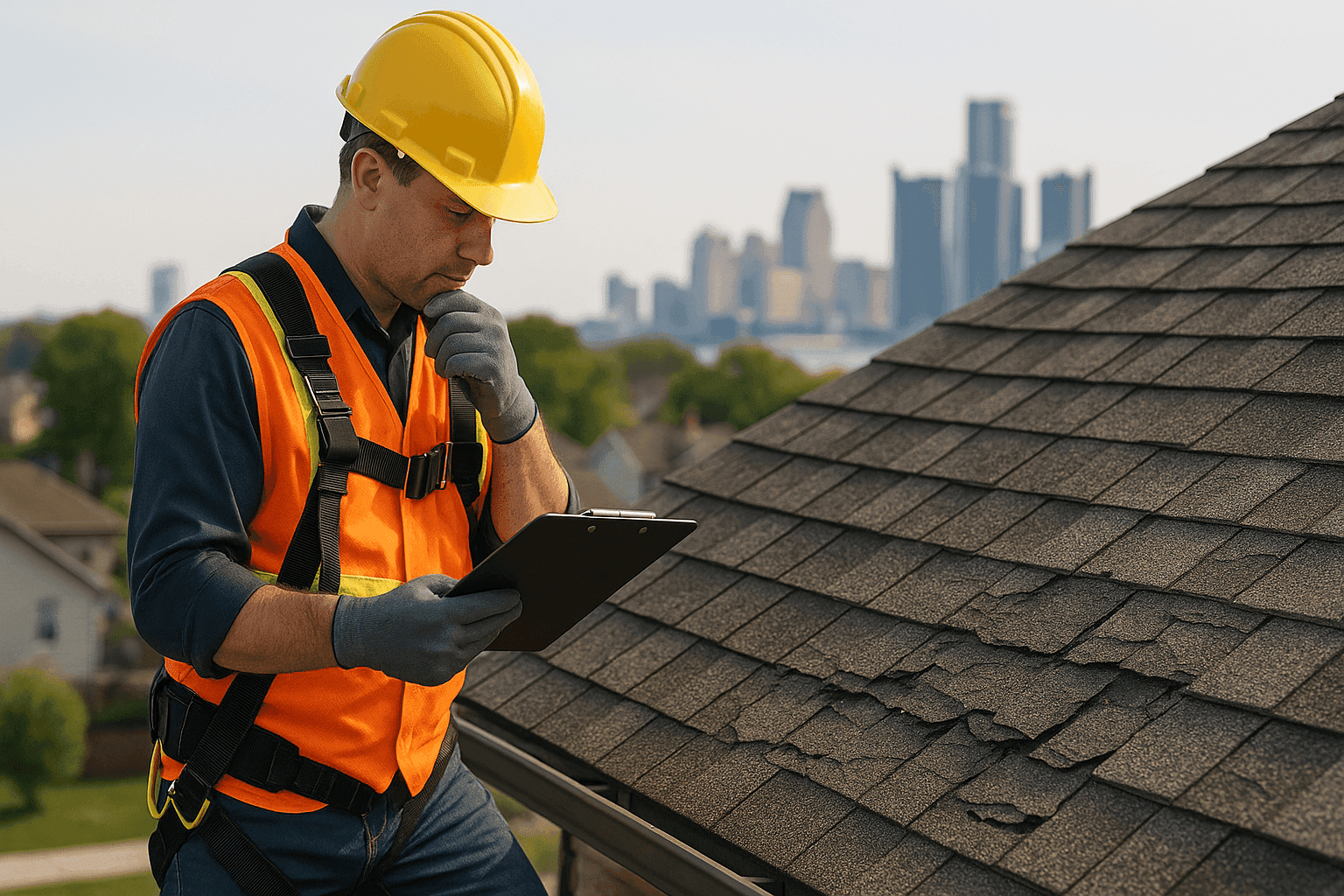
When water starts dripping from the ceiling, your mind races. What now? Do you patch things up, or is it time for a brand-new roof? These aren’t small decisions. Your home—or your business—depends on it.
At Reston Roofing, we know every choice matters. The right call can save you thousands, protect your family, and keep your property value strong. Let’s walk through the real questions that help you decide between a repair and a full replacement.
Understanding the Problem: How Bad Is It?
Think of your roof like the skin on your house. A scratch might need a bandage. But a deep wound? That takes more. Start with these questions:
- How old is your roof?
- What kind of damage can you see—or feel when it rains?
- Did a recent storm pass through, or is it just old age catching up?
- Have you had to repair the same spot more than once?
If you’re seeing curled shingles, bald patches, or water stains inside, take note. Small leaks can be silent troublemakers. Over time, they rot wood, ruin insulation, and invite mold.
Assessing Roof Age and Materials
Different roofs have different lifespans. Asphalt shingles, the most common, last about 20 years. Metal can stretch to 50. Tile and slate sometimes hit 75. But climate, maintenance, and workmanship play big roles.
If your shingle roof is pushing two decades, repairs might only buy you a little time. If it’s newer, or made from metal or tile, a quality fix could hold for years.
Quick Safety Checklist 🛑
Before you climb a ladder—or even peek into the attic—do a quick safety check:
- Never walk on a wet or icy roof.
- Watch for sagging spots; they could mean hidden structural damage.
- Listen for popping or snapping sounds overhead.
- Smell for mustiness—it could mean mold or rot.
- If you see daylight through the attic boards, call for help.
Still not sure? It’s safer to call Reston Roofing for an inspection. The National Roofing Contractors Association recommends a professional look at least twice a year.
DIY vs. Call a Pro
Some repairs seem simple. Replacing a shingle or two. Hammering a nail. But roofing is risky—both for your safety and your wallet.
DIY might work if:
- The damage is small and easy to reach.
- You have sturdy, safe ladders and the right tools.
- You know how to spot hidden leaks.
Call a pro if:
- You see sagging, large stains, or missing sections.
- There’s storm damage or hail dents.
- You don’t have proper safety gear.
- The roof is steep or multi-level.
A professional team brings more than skills. They bring knowledge of code (like the International Building Code), the right materials, and insurance coverage in case something goes wrong.
What Pros Do on Arrival
When Reston Roofing arrives, we don’t just look at the surface. Here’s our process:
- Inspect the entire roof, inside and out.
- Check flashing, gutters, skylights, and chimneys.
- Test for soft spots, rot, and water entry points.
- Assess attic ventilation and insulation.
- Document everything—photos, notes, and a clear estimate.
We’ll explain the findings in plain language, not construction speak. And we’ll help you weigh your next step.
Roof Repair vs. Replacement: Pros and Cons
Let’s keep it simple. Here’s what each option brings to the table.
Roof Repair: The Patch and Go
Pros:
- Lower upfront cost.
- Quick turnaround—often same day.
- Less disruption to daily life.
Cons:
- May not solve underlying problems.
- Can become a recurring expense.
- Won’t extend the life of an old roof much.
Roof Replacement: Out with the Old
Pros:
- Long-term peace of mind.
- Boosts home value and curb appeal.
- New warranties on materials and labor.
Cons:
- Higher initial investment.
- Takes more time—days, not hours.
- Requires property access and cleanup.
Evaluating Damage: How Much Is Too Much?
Not all damage is created equal. Here’s what to look for in different seasons and after storms:
- Winter: Ice dams can force water under shingles. Watch for ceiling stains after snow melts.
- Spring: Heavy rains test for leaks. Gutter overflow? It might mean roof edge damage.
- Summer: Sun bakes shingles, causing curling or cracks.
- Fall: Leaves and debris trap moisture, inviting rot.
After hail, check for pockmarks or granule loss. After wind, look for lifted or missing shingles. A leak after every storm is a red flag—it means water is finding its way in, over and over.
Cost Comparisons: What Should You Expect?
No two roofs—or budgets—are the same. But here’s a rough guide:
- Repairs: Typically less expensive, especially for minor shingle or flashing fixes.
- Replacement: Costs more upfront, but adds value and can reduce insurance premiums.
Think of it like fixing an old car. At some point, constant repairs cost more than a down payment on something new.
Tip: Check your insurance policy. Some storm-related damage could be covered, especially after major weather events. Document everything—photos, receipts, professional inspections.
Typical Lifespans of Common Roofing Types
- Asphalt Shingles: 15–25 years
- Metal Roofing: 40–70 years
- Tile Roofing: 50+ years
- Flat Roofs (Membrane): 10–20 years
If your roof is nearing the end of its expected life, even a great repair is just a temporary fix.
Neglecting Issues: What’s at Stake?
Putting off roof work is like ignoring a toothache. Small problems grow. Water finds a way in. Mold creeps in the walls. Insulation gets soggy. And property value drops.
Banks and buyers will notice a tired roof. Home inspectors will, too. Delays can mean bigger bills—and more risk to your family’s safety.
When Replacement Is a Must 🚨
Some situations call for immediate action. No patch will help if:
- There is visible structural damage (sagging, bowing, or rotten decking).
- Leaks return again and again, even after repair.
- A major storm has torn off large sections.
- Most shingles are worn, missing, or curling.
- There’s widespread mold or rot in the attic.
In these cases, replacement isn’t just smart—it’s necessary. Anything less puts your building, possessions, and people at risk.
Why Licensed Inspections Matter
A trained, licensed roofer isn’t just another set of eyes. They know what local building codes require. They spot hidden dangers. And their inspection can be used for insurance claims, sales, or peace of mind.
Some manufacturers require installation by certified pros to honor their material warranties. Without this, your roof’s “protection plan” could vanish when you need it most.
Insurance Implications
After a storm or emergency, call your insurer and document the damage. Many policies cover storm, wind, or hail damage, but not long-term neglect. An official inspection helps prove your case—and can speed up claims.
Budgeting Wisely: Avoiding Pitfalls
- Don’t chase the cheapest fix. Quality counts.
- Ask for written estimates and details.
- Beware of “too good to be true” offers.
- Make sure your roofer is insured and licensed.
Remember, your roof protects everything beneath it.
FAQ: Your Roofing Questions Answered
How do I know if my roof problem is an emergency?
If water is entering your home, electrical systems are at risk, or you see visible sagging, call for emergency roofing services right away.
Can I repair just a section of my roof?
Sometimes, yes—especially if the rest of the roof is in good shape. But if repairs keep piling up, it’s time to think bigger.
How long will a new roof last?
It depends on materials and installation quality. Asphalt shingles average 20 years, while metal and tile can last much longer.
Will my insurance cover roof replacement?
It might, especially after a covered event like hail or wind. Routine wear and tear usually isn’t covered. Always check your policy and ask for a professional inspection.
Local and Seasonal Considerations 🌦️
Roofs in humid or storm-prone areas need extra attention. Heavy snows, ice, and strong winds can shorten a roof’s life. Regular inspections—especially after big storms—help catch problems early.
If you're searching for "Shingle Roofing near you," remember that local building codes and weather patterns matter. What works in one region may not in another.
Final Thoughts: Repair or Replace?
It comes down to age, damage, and your future plans. Repairs patch things up, but only for so long. Replacement costs more, but buys years of protection and peace.
Still unsure? Reston Roofing is here 24/7 for emergency roofing, inspections, and honest advice. Don’t wait—your roof won’t fix itself.
Call Reston Roofing now — or reach us anytime at 877-978-3339 .