Emergency Roofing Guide: What to Do Before Help Arrives
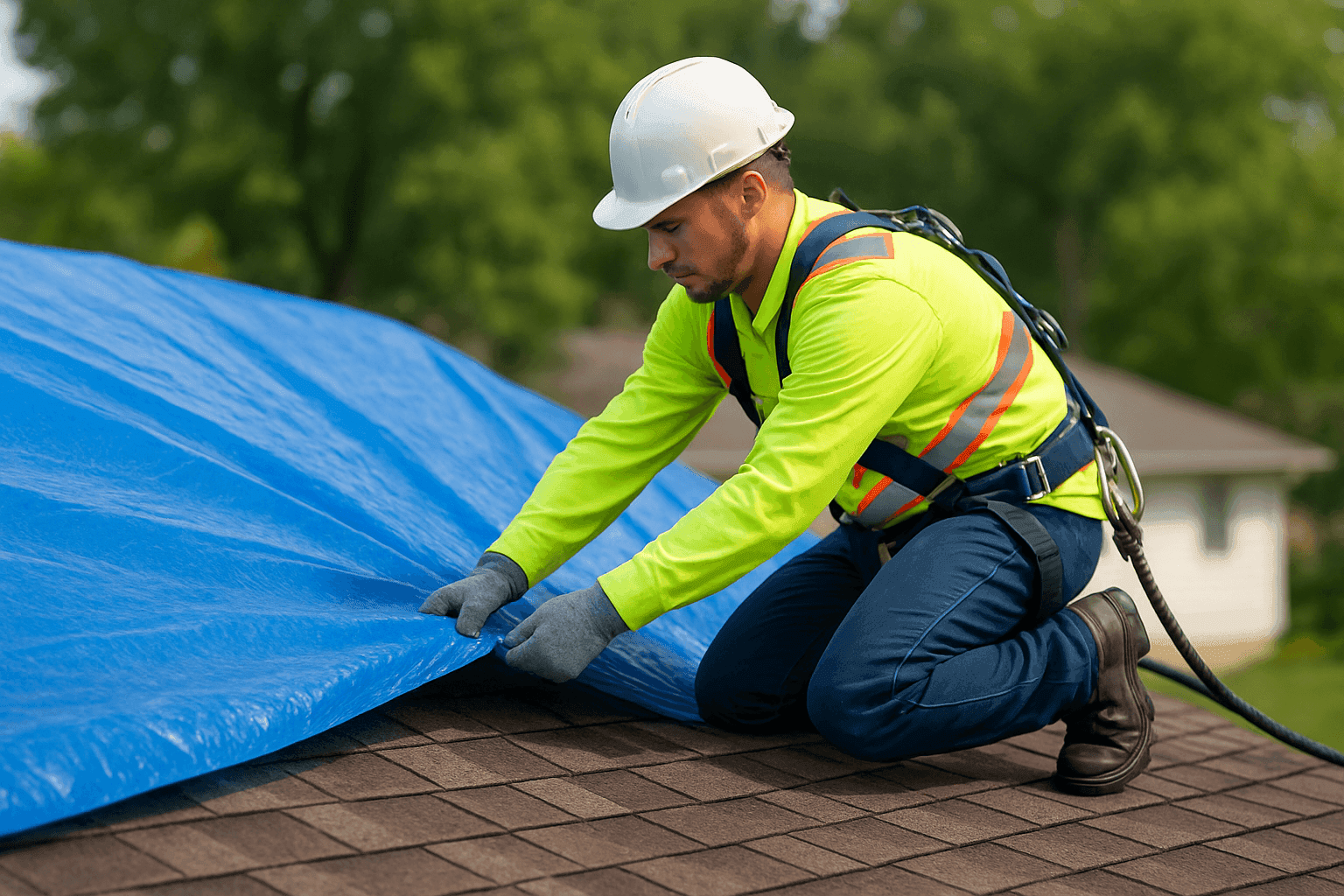
Roof trouble always seems to strike at the worst moment. Maybe it’s a midnight thunderstorm, a sudden leak, or shingles scattered across your yard after a wild wind. When water starts seeping inside, panic can set in. Reston Roofing knows these moments too well—we’ve seen homes and businesses spared from disaster because someone acted quickly and safely.
This guide will walk you through what to do until emergency roofing specialists arrive. Fast action can mean the difference between a minor clean-up and major repairs. Let’s get you prepared, confident, and protected.
Recognizing Roof Emergencies 🚨
Not every drip means disaster. But some situations call for immediate action—like a fire alarm blaring in the night.
What counts as a roofing emergency?
- Major leaks: Water pouring in fast, pooling on floors, or soaking ceilings.
- Storm or wind damage: Fallen branches, missing shingles, or visible holes after severe weather.
- Structural compromise: Sagging rafters, buckling rooflines, or visible daylight through the roof.
- Fire or impact: After a tree fall, lightning strike, or fire, the roof may be unstable.
Key indicators that you need help now:
- Water is spreading rapidly or threatening electrical systems.
- Pieces of the roof are visibly missing or hanging.
- Ceilings bulge, indicating trapped water above.
- You hear cracking, popping, or notice sudden shifts in the roof structure.
If you spot any of these, treat it like a burst pipe or a car breakdown—waiting can make things much worse.
Immediate Steps to Limit Damage
You can’t stop a storm, but you can slow the flood. Safety first: never risk your health or life for your home or business.
Quick actions:
- Contain water: Place buckets, bins, or even trash cans under drips to collect water.
- Move valuables: Shift electronics, furniture, and important papers out of harm’s way.
- Protect floors: Lay down towels, tarps, or plastic sheets to soak up moisture.
- If safe, cover entry points: If you can reach the leak safely from inside, tape up plastic sheeting or a tarp to limit water spread. Never climb onto a wet or storm-damaged roof.
- Shut off electricity (if needed): If water is near outlets, lights, or the breaker panel, shut off power at the main switch. If you’re unsure, stay away and wait for help.
When to avoid DIY attempts:
If the roof is steep, damaged, or slippery—don’t climb up. Many roofing emergencies cause hidden dangers, like weak decking or live wires. When in doubt, stay out.
Preparing for Professional Help
A little preparation makes a big difference for fast, effective repairs.
What to gather:
- Photos: Take clear photos of leaks, damage, and affected rooms. Include wide shots and close-ups.
- Insurance information: Keep your policy number, agent contact, and any recent inspection reports handy.
- Description of damage: Write down when the problem started, what you’ve noticed, and any steps you’ve taken.
How to communicate for a faster response:
- Be concise but thorough—describe the location, type of roof (shingle, tile, metal, etc.), and urgency.
- Mention if there are safety risks (electrical, structural compromise, etc.).
- Let the dispatcher know if you need priority for commercial operations or medical needs.
Reston Roofing’s certified crews are trained for emergencies on all roof types—from flat roofs to steep shingle systems and beyond.
Staying Safe During Roof Emergencies ⚠️
It’s easy to let nerves take over. But clear thinking—and knowing when to step back—keeps everyone safe.
Personal safety tips:
- Never walk on a wet or damaged roof.
- Avoid using electrical appliances in affected areas.
- Stay out of rooms where ceilings are bulging or water is pooling overhead.
- Keep children and pets away from the danger zone.
- Don’t try to remove large debris or branches yourself—these can shift and cause injury.
Common mistakes:
- Climbing ladders during storms or at night.
- Trying to patch major holes with makeshift materials.
- Ignoring signs of structural compromise, like sagging or creaking.
If it feels risky, it probably is. Wait for professionals equipped with the right safety gear.
DIY vs. Call a Pro
Some leaks are like a dripping faucet—annoying but manageable. Others are more like a broken pipe, needing immediate attention.
When you can DIY:
- Small leaks you can reach safely inside.
- Placing buckets or towels to catch water.
- Covering minor ceiling stains with plastic sheeting.
When to call emergency roofing pros:
- Any time water is entering rapidly.
- If you see missing shingles, flashing, or visible holes.
- If there’s a risk of collapse, fire, or electrical hazard.
- When you can’t safely reach the problem.
Reston Roofing’s rapid response team is always ready, with years of experience handling emergencies for homes and businesses of every size.
What Pros Do On Arrival
You might wonder what happens next. Here’s what to expect when our certified crew arrives:
- Safety first: The team assesses for hazards, including electrical risks and structural damage.
- Temporary repairs: Emergency tarping or patching to stop further water intrusion.
- Thorough inspection: Checking shingles, flashing, gutters, and the attic for hidden problems.
- Clear communication: Explaining findings, next steps, and timelines.
- Assistance with documentation: Help with photos and information for insurance claims.
Every emergency is different. But the goal is always the same: protect your property and lay the groundwork for permanent repair.
Prevention & Maintenance
An ounce of prevention is worth a pound of roof repair. Regular checks and simple upkeep can spare you future headaches.
Proactive steps:
- Schedule annual roof inspections—especially before storm season.
- Clean gutters and downspouts twice a year to prevent water backup.
- Trim overhanging branches to minimize storm risk.
- Look for missing or damaged shingles after high winds.
- Address small leaks or stains promptly—they rarely fix themselves.
For commercial buildings, follow OSHA guidelines for roof access and ensure routine maintenance logs are up to date.
Costs & Time Factors
Roof emergencies are never planned. It helps to know what you might face:
- Response time: Many emergency roofing teams, including Reston Roofing, aim for same-day or next-day service.
- Duration on site: Emergency tarping or patching can often be completed in a few hours; full repairs may take longer, depending on materials and weather.
- Cost factors: The size of the affected area, roof type (shingle, metal, flat, tile), and the extent of damage all influence final costs. Emergency calls are typically more expensive due to urgency and after-hours work.
Insurance may cover sudden damage from storms or accidents—check your policy for details.
When It’s an Emergency
If you’re unsure, ask yourself:
- Is water entering fast enough to spread or cause electrical hazards?
- Is there obvious, visible damage to the exterior?
- Is anyone inside at risk due to sagging ceilings or falling debris?
- Did the event just happen (storm, impact, fire)?
If you answer yes to any, call for emergency roofing help right away. The sooner the response, the safer you’ll be.
FAQ
Is it safe to go on my roof during a leak?
No. Wet or damaged roofs can be slippery and unstable. Leave inspections and repairs to trained professionals with proper safety equipment.
What should I do if water is coming through the light fixtures?
Immediately turn off power at the breaker panel (if safe) and avoid the affected area. This is a serious hazard—call for emergency help.
How do I know if my insurance will cover the damage?
Most homeowner and commercial policies cover sudden, accidental damage (like storms or impact). Document everything and contact your insurer for guidance.
Can emergency roofing services handle all roof types?
Yes—Reston Roofing’s team is experienced with shingle, metal, flat, tile, and commercial roofing systems.
Local and Seasonal Considerations 🌦️
Seasonal storms, heavy snowfall, and spring downpours can all test your roof’s limits. In winter, ice dams and blocked gutters can lead to leaks. Summer brings roof-baking heat and sudden downpours.
No matter the season, regular maintenance helps. During high-risk times—hurricane season, nor’easters, or peak storm months—keep emergency contacts handy and inspect your roof for early warning signs.
The Reston Roofing Difference
When emergencies hit, you want a team that responds fast, works safely, and brings experience with every roof type—shingle roofing near you, flat roofs, and more. Our crew is certified, insured, and ready 24/7 for residential and commercial emergencies. We know every roof tells a story. Let’s keep yours safe, dry, and standing strong.
Call Reston Roofing now — or reach us anytime at 877-978-3339 .