Seasonal Roof Care: Essential Tips to Protect Your Home Year-Round
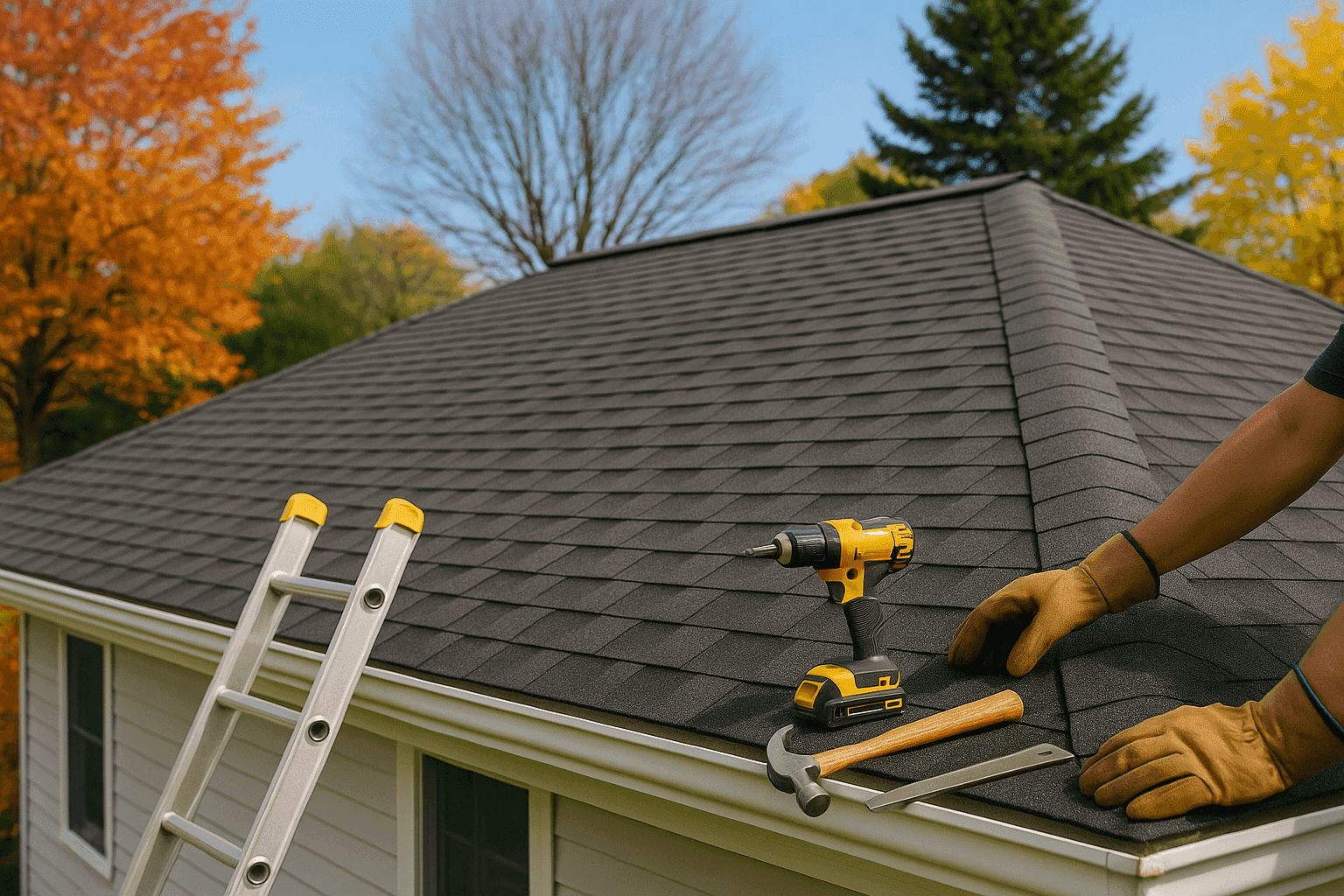
Keeping a roof over your head isn’t just a figure of speech—it’s a year-round job. The elements don’t take a break, and neither should your roof care routine. Small problems can grow fast, especially when weather swings from gentle spring rains to icy winter blasts.
At Reston Roofing, we know every season brings its own set of challenges. Whether it’s wind, heat, falling leaves, or heavy snow, your roof is always on duty. Here’s how to keep it in top shape, avoid emergency roofing calls, and protect your property all year long.
Spring Roof Inspection and Cleaning 🌱
Spring is when your roof wakes up from winter’s slumber. It’s the perfect time to clear away debris, check for damage, and set the stage for the months ahead.
Why Spring Matters:
Winter can be rough. Snow, ice, and freezing temperatures stress shingles, flashing, and gutters. As the weather warms, hidden leaks or cracks may appear.
Action Steps:
- Clear Debris: Remove branches, leaves, and dirt from your roof, gutters, and downspouts. Clogged gutters can lead to water pooling and leaks.
- Inspect Shingles: Look for curling, cracked, or missing shingles. These are weak spots that can invite water inside.
- Check Flashings: Pay close attention to areas around chimneys, skylights, and vents. Damaged flashing is a common source of leaks.
- Examine Attic: From inside, look for water stains or daylight peeking through the roof boards.
- Schedule a Professional Inspection: A trained eye can spot subtle issues before they become emergencies.
Industry Reference: The National Roofing Contractors Association (NRCA) recommends a spring inspection to catch problems early and extend your roof’s life.
Summer Roof Ventilation and Heat Protection ☀️
Summer brings heat—and sometimes storms. Your roof’s job is to keep the cool in and the heat out, but without proper ventilation and insulation, it’s an uphill battle.
Why Summer Matters:
Roofs can bake under the summer sun. Poor ventilation turns your attic into an oven, which can warp shingles and spike energy bills.
Action Steps:
- Check Ventilation: Make sure attic vents aren’t blocked by insulation or debris. Good airflow helps regulate temperature and prevents moisture buildup.
- Inspect Insulation: Sufficient insulation keeps your home comfortable and reduces strain on your roof.
- Look for Sun Damage: UV rays can dry out and crack shingles. Watch for blistering or bald spots.
- Trim Overhanging Branches: Trees provide shade, but limbs too close to the roof can scrape shingles or fall during storms.
- Prepare for Storms: Secure loose items in your yard and check that gutters and downspouts are clear to handle heavy rain.
Pro Tip: The Asphalt Roofing Manufacturers Association (ARMA) notes that proper attic ventilation is key to avoiding heat-related roof damage.
Fall Gutter and Downspout Maintenance 🍂
Autumn’s falling leaves are beautiful—until they clog your gutters. This is the season to make sure water flows where it should, not into your home.
Why Fall Matters:
Leaves, twigs, and debris can block gutters and downspouts, causing water to back up under shingles or spill over and erode your foundation.
Action Steps:
- Clean Gutters and Downspouts: Remove all debris before the first freeze. Use gloves and a sturdy ladder, or call a pro if it’s a tall job.
- Check for Sagging or Damage: Gutters should be securely attached and slope slightly toward downspouts for proper drainage.
- Test Downspouts: Run water through them to make sure they’re clear and direct flow away from your home.
- Inspect Roof Valleys: Valleys collect more debris and are common leak spots.
- Install Gutter Guards (Optional): These can help reduce future clogs if your property has many trees.
Safety Note: The Occupational Safety and Health Administration (OSHA) recommends using proper ladder safety and fall protection when working at heights.
Winter Ice Dam Prevention and Leak Checks ❄️
Winter can be brutal on roofs. Ice dams, snow buildup, and freeze-thaw cycles all put your home at risk.
Why Winter Matters:
When snow melts and refreezes at the roof’s edge, it creates ice dams. Water backs up behind the dam and can seep under shingles, causing leaks and damage.
Action Steps:
- Clear Snow Safely: Use a roof rake to remove snow from the edge. Don’t climb onto an icy roof.
- Check Attic for Moisture: Frost or damp insulation signals poor ventilation or hidden leaks.
- Inspect for Ice Dams: Look for icicles forming along the eaves. Large icicles can mean trouble.
- Seal Air Leaks: Warm air escaping from your home melts snow unevenly. Seal gaps in attics, around chimneys, and near vents.
- Monitor for Leaks: After storms, check ceilings and walls for new stains or drips.
Industry Guidance: The Insurance Institute for Business & Home Safety (IBHS) recommends keeping your attic cool to prevent ice dams and reduce emergency roofing calls.
Preventative Maintenance: The Key to Roof Longevity
Think of your roof like a car. Regular oil changes keep it running. Skipping them leads to breakdowns. The same goes for your roof—routine care helps avoid big, costly surprises.
Benefits of Preventative Maintenance:
- Extends roof lifespan
- Reduces emergency roofing needs
- Protects your home’s value
- Lowers long-term repair costs
What to Watch For:
- Loose or missing shingles
- Rusted or damaged flashing
- Granules collecting in gutters (a sign shingles are wearing out)
- Mold or algae growth
When in Doubt:
If you spot something off and aren’t sure what it means, don’t wait. A small leak can become a big problem fast.
Quick Safety Checklist
- Use sturdy ladders with slip-resistant feet.
- Wear gloves and rubber-soled shoes for grip.
- Avoid working on wet or icy roofs.
- Never work alone—have someone nearby.
- If heights or steep slopes make you uneasy, call a professional.
DIY vs. Call a Pro
Some roof care tasks are safe for handy homeowners. Others are best left to the pros.
DIY-Friendly Tasks:
- Clearing gutters and downspouts
- Inspecting from the ground with binoculars
- Removing light debris
Call a Professional For:
- Steep or high roofs
- Major shingle or flashing repairs
- Persistent leaks or water stains
- Emergency roofing after storms
Remember, safety always comes first. Even pros follow strict guidelines from organizations like OSHA.
What Pros Do On Arrival
When you call Reston Roofing, here’s what to expect:
- Thorough inspection of shingles, flashing, gutters, and attic
- Moisture checks and leak detection
- Evaluation of ventilation and insulation
- Detailed explanation of findings and next steps
- Emergency roofing services when needed
Our team uses industry-approved materials and follows best practices for every repair or installation.
Costs & Time Factors
Roof care costs depend on the size, pitch, and materials of your roof, as well as the type of service needed. Here’s what to keep in mind:
- Inspections: Usually quick—1 to 2 hours for most homes
- Minor repairs: Can often be completed in a day
- Major repairs or replacements: May take several days, especially after storm damage
- Material costs: Asphalt shingles are generally less expensive than metal or tile; eco-friendly options may cost more upfront but can save money over time
Routine maintenance is almost always less expensive than emergency roofing repairs after a major leak or storm.
When It’s an Emergency
Not every problem can wait. Here are signs you need emergency roofing help:
- Active leaks or water pouring inside
- Sagging roof sections
- Major storm or wind damage
- Large areas of missing shingles
- Interior ceilings or walls bulging or collapsing
If you see any of these, act fast. Water can destroy insulation, wiring, and even your home’s structure in a matter of hours.
FAQ
How often should I have my roof inspected?
Twice a year—once in spring and once in fall—is a good rule of thumb. After major storms, check for visible damage.
Can I clean my own gutters?
Yes, if you’re comfortable on a ladder and the roof isn’t too high or steep. Otherwise, it’s safer to hire a professional.
What’s the best way to prevent ice dams?
Proper attic insulation and ventilation are key. Sealing air leaks and clearing snow from the roof edge also help.
How do I know if I need a new roof or just repairs?
If your roof is over 20 years old, has widespread shingle loss, or persistent leaks, replacement may be the best option. A professional inspection will help you decide.
Special Considerations for This Service
- Flat Roofs: Require special attention to drainage and membrane integrity.
- Metal Roofs: Check for rust and loose fasteners.
- Tile Roofs: Inspect for cracked or slipped tiles, especially after storms.
- Commercial Roofs: Larger surface areas mean more places for problems to hide—regular maintenance is essential.
- Eco-Friendly Options: Green roofs and solar panels need specialized care and cleaning.
No matter your roof type, seasonal care keeps your investment safe and sound.
Call Reston Roofing now — or reach us anytime at 877-978-3339 .