How to Prepare Your Roof for Severe Weather: A Homeowner’s Guide
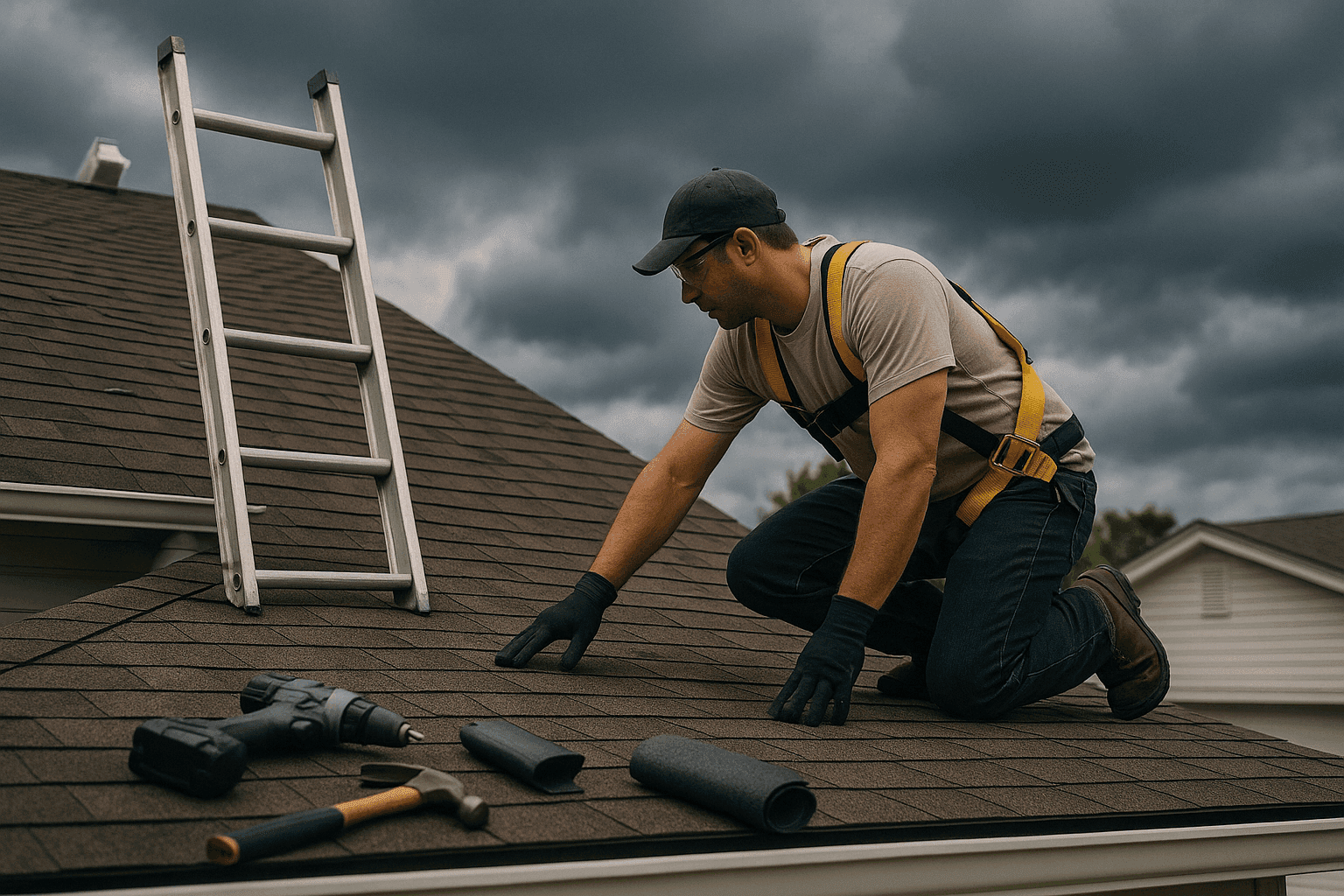
When the sky darkens and the wind picks up, your roof stands as your home’s helmet. It shields everything beneath it—family, memories, and investments. But even the toughest roofs need a little help before Mother Nature unleashes her worst.
At Reston Roofing, we know storms don’t wait for business hours. That’s why preparation matters. Here’s how to get your roof ready for whatever the weather throws your way.
Why Roof Preparation Matters 🌧️
Think of your roof as a knight’s armor. If you leave a chink exposed, that’s exactly where the storm will strike. Neglecting preparation can lead to:
- Leaks that soak insulation and ceilings
- Shingles ripped away by wind
- Gutters overflowing, dumping water where it shouldn’t go
- Hidden mold growth after the storm passes
According to the International Association of Certified Home Inspectors (InterNACHI), most roof failures during storms are linked to small, preventable issues—loose flashing, clogged gutters, cracked sealant. The cost of ignoring these is often far higher than a little maintenance.
Key Inspection Points Before a Storm
A quick glance from the sidewalk won’t cut it. Before storm season, give your roof a hands-on check:
Shingles and Tiles
- Look for cracks, curling, or missing pieces.
- Check for piles of granules in gutters—a sign your shingles are wearing out.
- Metal roofing? Watch for rust or loose panels.
Flashing and Sealants
- Inspect metal flashing around chimneys, skylights, and valleys. It should be snug, not peeling or gapped.
- Sealant should be flexible and uncracked. Hardened or missing sealant lets water sneak in.
Gutters and Downspouts
- Clear out leaves, twigs, and debris.
- Make sure downspouts point away from your foundation.
- Check for sagging or disconnected sections.
Ventilation and Insulation
- Attic vents should be open and free of nests or blockages.
- Insulation should be dry. Wet insulation means you already have a leak.
If you spot anything questionable, snap a photo. It’ll help if you need to describe the issue later.
Maintenance Tasks to Strengthen Your Roof
Just like athletes stretch before the big game, your roof needs a tune-up before storms.
Gutter Cleaning
- Remove all debris. Even a handful of leaves can block water flow.
- Flush gutters with a hose to check for proper drainage.
Sealants and Coatings
- Reapply roof sealant to seams, vents, and flashing every few years—or sooner if you see cracks.
- Consider reflective coatings for flat roofs. They help with waterproofing and temperature control.
Downspout and Gutter Repairs
- Tighten loose brackets.
- Replace damaged sections.
- Add extensions if water pools near your foundation.
Preventative Maintenance
- Schedule annual inspections—especially before storm or freeze-thaw seasons.
- Trim tree branches that could fall or scrape your roof.
Eco-Friendly Options
- Install rainwater diverters or rain barrels to manage runoff.
- Upgrade insulation to reduce heat loss and prevent ice dams.
Emergency Supplies and Actions
Sometimes the storm arrives before you finish your checklist. Here’s what to keep on hand:
- Heavy-duty tarps for temporary patching
- Roofing nails and a hammer
- Duct tape or waterproof tape
- Flashlight (with fresh batteries)
- Gloves and non-slip shoes
- Ladder (only if it’s safe to use)
If you spot an active leak, place a bucket under the drip and cover the area with a tarp from the outside—only if conditions are safe. Never risk your safety for a quick fix.
When to Call a Professional
Some problems can’t wait. Call emergency roofing help if you notice:
- Major leaks that spread quickly or cause ceiling bulges
- Visible structural damage (sagging, bowing, or cracked rafters)
- Multiple missing or torn shingles after a storm
- Water stains or mold in your attic
- Chimney flashing that’s pulled away or missing
Roofers know what to look for—sometimes the real problem hides beneath the surface. Professional inspections often catch issues you can’t see from the ground.
Tips for Storm Seasons and Freeze-Thaw Cycles
- Before hurricane or storm season: Inspect and repair all vulnerable areas. Clean gutters and check attic ventilation.
- Before winter: Remove debris, check for ice dam risk, and reinforce insulation.
- After any major storm: Walk your property. Look for shingle debris, granules, or anything out of place.
Frequently Asked Questions
How often should I inspect my roof?
At least twice a year—ideally before and after storm season. After any major weather event, do a quick check for new damage.
What’s the safest way to check my roof?
Use binoculars from the ground for a basic scan. If you must climb, always use a sturdy ladder and have someone nearby. Never climb during wet, windy, or icy conditions.
Can I patch a leak myself?
You can use a tarp as a temporary fix, but most leaks need professional repair. DIY patches often miss hidden damage or create more problems if not done right.
How do I know if my insulation is wet?
Look for compressed, discolored, or musty-smelling insulation in your attic. Wet insulation loses its effectiveness and can harbor mold.
Special Considerations for Homeowners and Small Business Owners
- Flat roofs need extra attention—water pools easily, making leaks harder to spot.
- Commercial properties may have complex drainage systems. Schedule routine inspections.
- Older roofs (15+ years) are more prone to storm damage. Budget for replacement or upgrades.
- Skylights and chimneys are common leak points—inspect their flashing closely.
Following building codes and OSHA safety guidelines is always recommended. If you’re unsure, it’s safer (and often cheaper in the long run) to call in professionals.
Storms are unpredictable, but your preparation doesn’t have to be. Don’t wait for the next downpour to find out if your roof is ready.
Call Reston Roofing now — or reach us anytime at 877-978-3339 .