Metal Roofing: Is It Worth the Investment for Your Home?
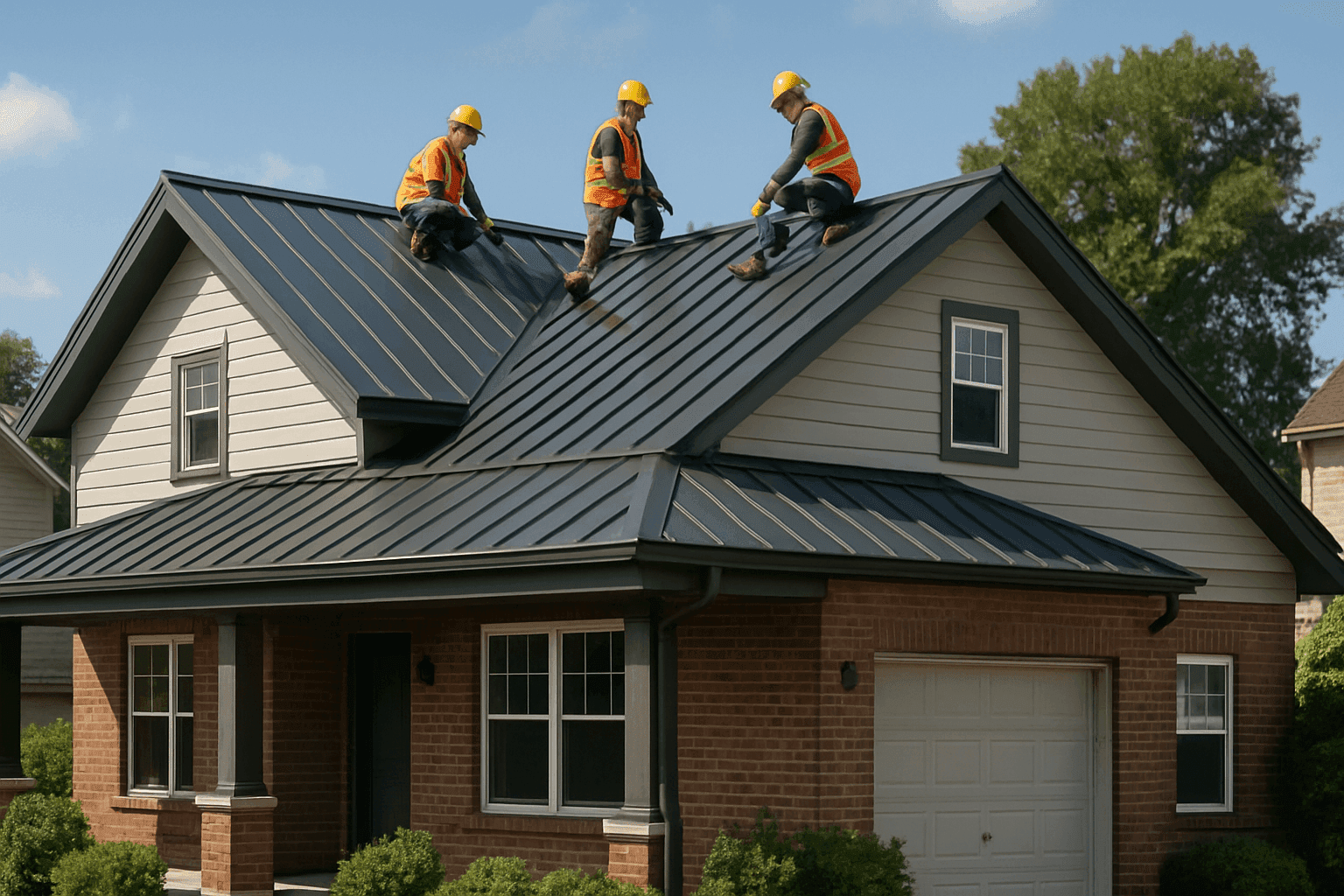
Have you ever heard rain pinging on a metal roof and wondered if it’s just for barns, or if it could work for your home too? Maybe you’ve seen those sleek panels on a neighbor’s house and thought: Is metal roofing really worth the upfront cost?
We get it. At Reston Roofing, we provide everything from emergency roofing to Ventilation & Insulation near you, and we see this question come up all the time. Let’s break it down—no jargon, just real talk.
What is Metal Roofing? 🏡
Metal roofing is just what it sounds like—a roof made from metal panels or shingles. The most common metals are steel, aluminum, copper, and zinc.
But don’t picture a rusty old shed. Modern metal roofs look sharp, come in dozens of colors and styles, and fit just as well on homes as on commercial buildings. You’ll see them on new construction, historic homes, and even schools.
Key features:
- Interlocking panels or shingles for strength
- Protective coatings to reflect UV rays and prevent rust
- Lightweight compared to tile or slate
- Can be installed over some existing roofs (check local code)
At Reston Roofing, we’ve installed standing seam metal roofs on everything from cozy bungalows to sprawling warehouses. Metal works in all climates, as long as it’s installed right.
Cost Comparison: Metal vs. Traditional Roofs
Let’s talk numbers.
Upfront, metal costs more. According to the National Roofing Contractors Association, metal roofing can run 2–3 times the price of standard asphalt shingles. But that’s only half the story.
Where the savings kick in:
- Metal roofs last 40–70 years. Asphalt? Usually 15–25.
- Lower maintenance costs—no cracked shingles or moss to fight off
- Can reduce energy bills by 10–25% (U.S. Dept. of Energy)
- Insurance discounts in some regions (check with your provider)
Real-World Example:
Last year, we replaced a 25-year-old shingle roof for a local business with a standing seam metal system. Upfront, costs were about 2.5x higher. But after a year, the owner reported 20% lower cooling bills and zero emergency roofing calls for leaks or storm damage. Over 20 years, that’s serious savings.
Durability and Lifespan
A metal roof is the marathon runner of the roofing world.
- Lifespan: 40–70 years (sometimes longer for copper or zinc)
- Weather resistance: Handles hail, snow, wind, and fire better than most roofs
- Maintenance: Occasional checks for fastener tightness and cleaning debris from valleys/gutters
Tile and shingle roofs can crack, curl, or lose granules as seasons change. Metal shrugs off most of what nature throws at it. That’s why so many commercial properties choose metal when they want less hassle.
A quick tip:
Always check local code—some communities require ice guards or extra fasteners for metal roofing. At Reston Roofing, we follow International Building Code and all local safety guidelines.
Energy and Environmental Impact 🌱
Here’s where metal roofing really pulls ahead.
- Reflects sunlight: Helps keep attics cooler in summer, reducing A/C costs
- Recyclable: Most panels are made with 25–95% recycled content and are 100% recyclable at end of life (EPA)
- Good for solar: Standing seam panels are ideal for mounting solar panels without roof penetrations
- Rainwater collection: Metal sheds water quickly, making it a favorite for rainwater harvesting systems
Practical savings:
A family in a two-story home with a new metal roof saw summer cooling bills drop from $280/month to $210, thanks to reflective coatings. Over a decade, that’s $8,400 back in their pockets.
Aesthetic Options
Forget the old “tin roof” stereotype. Today’s metal roofs come in:
- Dozens of colors, from subtle earth tones to bold reds and blues
- Styles that mimic wood shakes, tile, or even slate
- Low-profile panels for a modern look, or corrugated for rustic charm
Reston Roofing’s portfolio:
We’ve installed metal roofs that blend right into historic districts and others that stand out as architectural statements. If you want curb appeal and longevity, metal gives you both.
Practical Tips for Metal Roofing Owners
- Keep gutters clean: Metal roofs shed water fast. Clear downspouts and gutters regularly to prevent overflow or ice dams.
- Schedule yearly inspections: Even the toughest roof benefits from a professional look-over—especially after storms.
- Choose the right finish: Matte finishes hide scratches and reduce glare. High-gloss finishes stand out more.
- Ask about insulation: Proper attic insulation and ventilation help maximize your energy savings.
Weighing the Pros and Cons
Pros:
- Longevity (up to 70 years)
- Low maintenance
- Excellent weather and fire resistance
- Lower energy bills
- Wide range of styles
Cons:
- Higher upfront cost
- Can be noisier in heavy rain (though modern systems often include sound-deadening layers)
- Might dent from large hail
- Requires skilled installation—don’t DIY this!
Real-World Case Study: Emergency Roofing After a Storm
After a major windstorm, a local daycare called us for emergency roofing. Their old asphalt shingles peeled back. The owner chose to upgrade to metal. Since then, they’ve weathered three storms with no issues—no leaks, no missing panels, no frantic calls for repairs. Peace of mind, every time.
Is Metal Roofing Right for You?
Consider metal if:
- You want a roof that lasts longer than most cars
- Lower energy bills matter to you
- Your region sees wild weather (wind, hail, fire)
- You’re tired of frequent repairs
Think twice if:
- You’re planning to move soon
- Your budget is tight and you need the lowest upfront cost
- Your HOA has strict style rules (always check regulations)
FAQ: Metal Roofing
Does metal roofing attract lightning?
No more than any other roof. According to the Metal Construction Association, metal is non-combustible and actually safer during storms.
Will a metal roof be noisy?
With proper insulation and installation, indoor noise is similar to shingle roofs.
Can I walk on my metal roof?
Yes—but only in certain areas, and with care. Always consult a roofing professional for inspections or repairs.
How does metal handle snow and ice?
Metal sheds snow quickly, reducing the risk of ice dams. In heavy snow regions, snow guards are recommended.
Local & Seasonal Considerations
Whether you live in a region with blazing summers, heavy snow, or frequent storms, metal can be adapted:
- Snowy regions: Add snow guards and extra insulation.
- Hot climates: Opt for high-reflectance coatings.
- Storm-prone areas: Choose thicker gauge panels and secure fasteners.
Reston Roofing installs metal systems tailored to your local codes and weather patterns, ensuring your investment pays off.
Wondering if metal roofing is the right fit for your property? Our team is ready 24/7 for emergency roofing, repairs, new construction, and everything in between.
Call Reston Roofing now — or reach us anytime at 877-978-3339 .