Eco-Friendly Roofing Options: Go Green Without Compromise
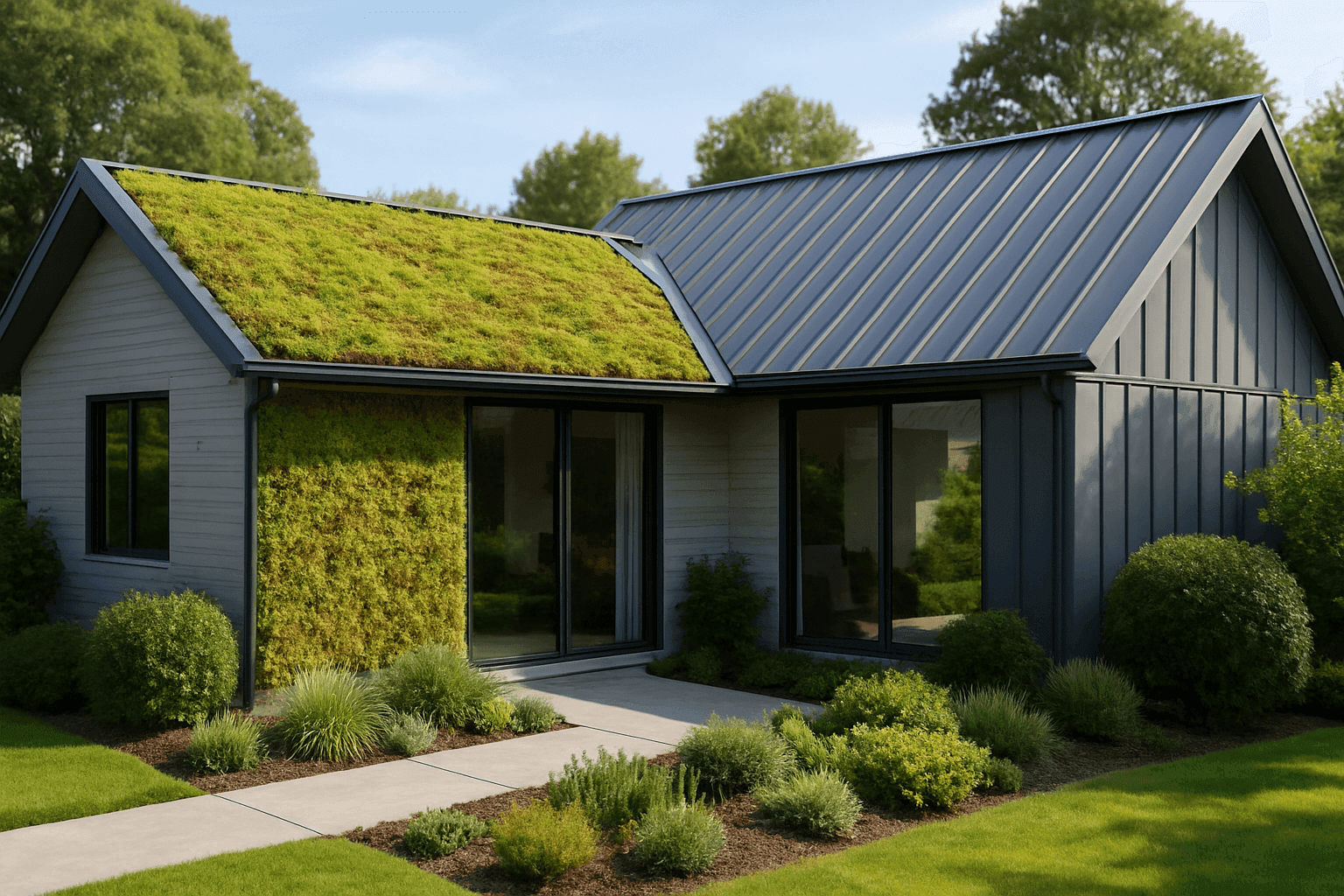
A leaky roof can feel like a storm cloud parked over your home or business. Now imagine if every repair—or new roof—was a chance to help the planet, not just your property. At Reston Roofing, we see emergency roofing as more than a patch job. It’s an opportunity to build better.
You want your roof strong enough for any weather. But you also want a roof you can feel good about. Going green doesn’t mean giving up quality or durability. It means making a smart choice that pays back every day—lower bills, cleaner air, and a lighter footprint.
What Makes a Roof Eco-Friendly? 🌱
Think of your roof as a shield and a blanket. It protects you from the elements, but it also shapes how much energy your building uses. An eco-friendly roof does three things well:
- Uses materials that last longer and can be recycled at end of life
- Reflects heat or insulates to cut energy bills
- Produces less pollution—during manufacturing, installation, and daily use
When you choose sustainable roofing, you’re voting for healthier air, less landfill waste, and more money in your pocket.
Environmental Impact by the Numbers
- Asphalt shingles take up over 11 million tons of U.S. landfill space each year (U.S. EPA).
- A cool roof can lower surface temperatures by up to 50°F, slashing summer energy use up to 20% (U.S. Department of Energy).
- Metal roofs are 100% recyclable and often made from 25–95% recycled content (Metal Roofing Alliance).
Top Sustainable Materials
The market is full of green options—each with its own strengths. Here’s how they stack up, whether you’re planning new construction or need emergency roofing fast.
Metal Roofing
Picture a suit of armor for your building. Metal roofs shrug off storms, last 40–70 years, and reflect sunlight to keep things cool. Many come from recycled sources and can be recycled again. They’re good for both homes and businesses.
- Pros: Long lifespan, fire-resistant, low maintenance, excellent for rainwater collection.
- Cons: Higher upfront cost than asphalt, can be noisy in heavy rain (add insulation to quiet things down).
- Best for: Both new roof installation and replacements, especially if you want to add solar panels later.
Cool Roofs
These roofs act like sunglasses for your building. Special coatings or reflective tiles bounce away sunlight, lowering roof temps and keeping interiors comfortable.
- Pros: Reduces urban heat, lowers AC costs, available in many styles.
- Cons: Some coatings need reapplication every few years.
- Best for: Flat roofs, commercial roofing, hot climates.
Recycled Shingles
Old tires, plastic, and wood fibers get a second life as tough, stylish shingles. They look like traditional roofing but come with a smaller carbon footprint.
- Pros: Diverts waste from landfills, often matches the look of wood or slate, durable.
- Cons: Not all products are available everywhere. Check for certifications.
- Best for: Residential roofing, especially when you want the look of classic shingles without the waste.
Solar Roofing
Imagine your roof paying you back. Solar panels or solar shingles turn sunlight into electricity, shrinking your energy bills and your carbon footprint.
- Pros: Clean energy, long-term savings, sometimes eligible for rebates.
- Cons: Higher upfront investment, best on south-facing or unshaded roofs.
- Best for: New construction, major roof replacement, or when your energy bills are high.
Energy Savings and Rebates 💡
Eco-friendly roofs don’t just help the planet—they help your wallet. Here’s how:
- Lower utility bills: Cool roofs and extra insulation mean your AC or heater works less.
- Rebates and incentives: Many regions, including the U.S. and Canada, offer rebates for green roofing. Check the Department of Energy’s Database of State Incentives for Renewables & Efficiency (DSIRE) for details.
- Insurance discounts: Some insurers offer lower rates for fire-resistant or impact-rated metal and tile roofs.
Case Study: Local Business Goes Green
After a severe storm, a local bakery called Reston Roofing for emergency roofing. Instead of basic repairs, they opted for a reflective metal roof. The result? Their summer energy bills dropped by 18%, and they earned a state rebate for energy efficiency. They even noticed less attic heat—making for cooler kitchens and happier staff.
Installation Considerations
Eco-friendly doesn’t mean “one size fits all.” Every roof is different. Here’s what to keep in mind:
Roof Slope & Structure
- Flat roofs: Best for cool roofs, solar panels, or single-ply membranes.
- Steep roofs: Metal, recycled shingles, or even clay tiles can work well.
Weather and Durability
- Storm-prone areas: Metal and tile stand up to high winds and hail.
- Snowy regions: Choose materials rated for heavy snow loads and ice dams.
Ventilation & Insulation Near You
A green roof isn’t just about outer layers. Proper ventilation and insulation keep moisture out and conditioned air in. This prevents mold, ice dams, and heat loss—critical for both residential and commercial roofing.
Green Certifications
Reston Roofing holds green certifications recognized by the National Roofing Contractors Association (NRCA) and the Cool Roof Rating Council (CRRC). Our crews follow the latest safety and energy code guidelines (see OSHA and the International Building Code for more).
Practical Tips for Going Green
- Ask your roofer about recycled content and end-of-life recycling options.
- Consider light colors for maximum heat reflection in sunny climates.
- Schedule regular inspections and preventative maintenance to extend your roof’s lifespan.
- If you’re installing solar, plan for both electrical and structural needs.
- For emergency roofing, ask about eco-friendly repair materials—they’re available even in a pinch.
Costs: What to Expect
Green roofs can cost more upfront, but the payback is real. Here’s a range to help you plan:
- Metal: 2–3 times the cost of asphalt, but lasts twice as long (plus lower maintenance).
- Cool roofs: Add 10–20% to a standard roof, but save on energy.
- Recycled shingles: Similar to premium asphalt, with added environmental benefits.
- Solar: Costs vary widely—higher at first, but big energy savings over time.
Remember, costs depend on size, slope, location, and chosen materials. Always get an inspection before deciding.
Frequently Asked Questions
Q: Can eco-friendly roofs handle storms and emergencies?
A: Absolutely. Metal and tile are among the strongest options against wind and hail. Many green materials are rated for severe weather—ideal for emergency roofing.
Q: Will I need special maintenance?
A: Not necessarily. Most green roofs need the same care as traditional ones: seasonal inspections, gutter cleaning, and timely repairs.
Q: Are green roofs only for new buildings?
A: No. Many sustainable options fit both new construction and roof replacement. Some materials can be installed over existing roofs—saving time and landfill space.
Local and Seasonal Considerations 🏡
Your climate shapes your best choices:
- Hot, sunny regions: Cool roofs and solar make a big impact.
- Rainy areas: Metal, tile, or single-ply membranes with solid downspouts and gutter systems prevent leaks.
- Cold climates: Focus on insulation, ventilation, and materials that resist ice damage.
Reston Roofing serves both residential and commercial clients—so whether you need gutter installation, skylight repair, or storm damage restoration, we help you choose the right eco-friendly solution for your area.
Ready to Go Green Without Compromise?
You don’t have to choose between strength, style, and sustainability. Reston Roofing combines emergency roofing expertise with green building practices and certified crews—so your roof works as hard for the planet as it does for you.
Call Reston Roofing now — or reach us anytime at 877-978-3339 .