Roof Flashing Repair: Your Defense Against Leaks
Rain is pounding outside. Wind is howling. Suddenly, you spot a water stain snaking across your ceiling. Leaks don’t wait for business hours. They strike when you least expect it—on weekends, at midnight, right when you’re least prepared.
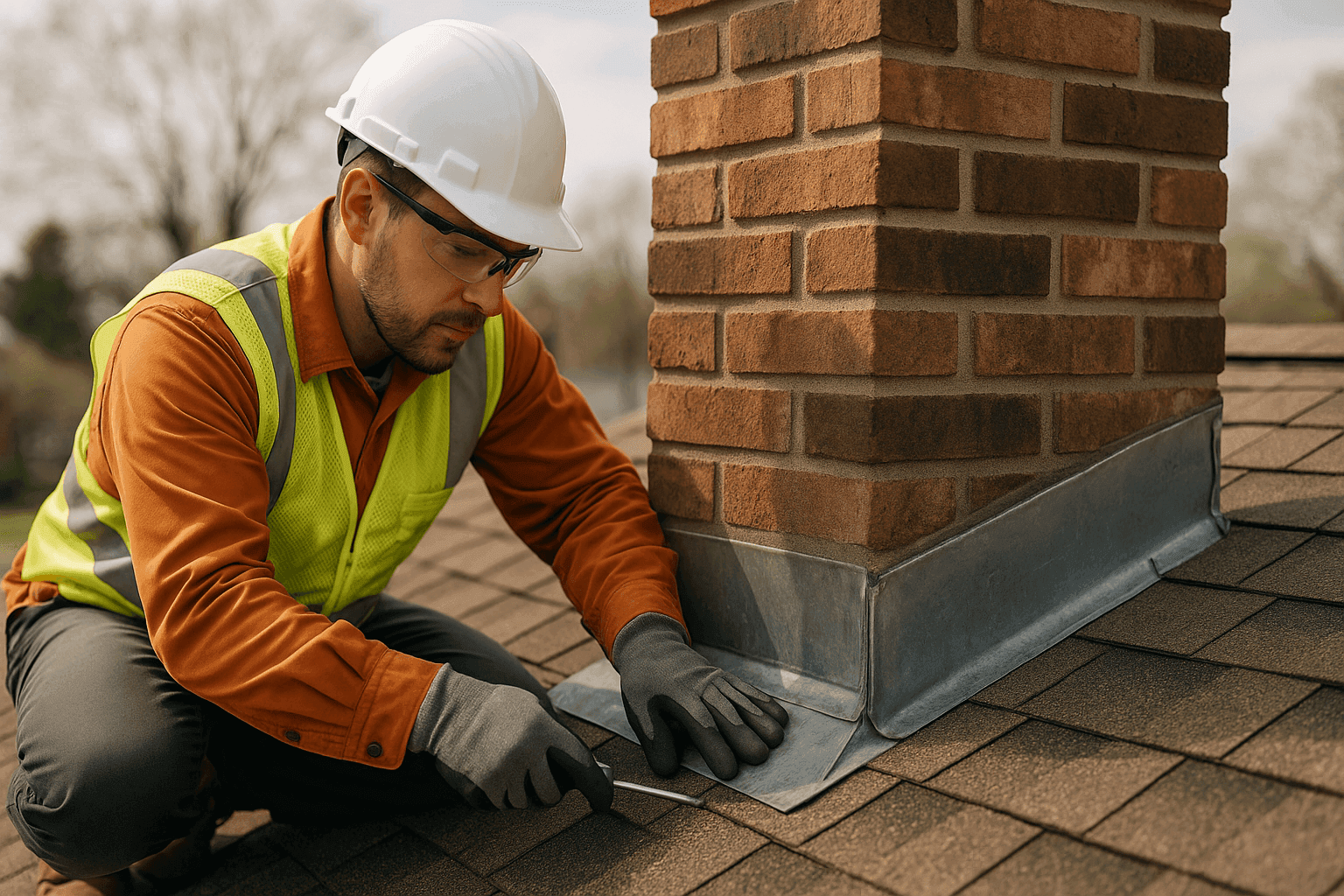
At Reston Roofing, we know that roof flashing is the silent guardian standing between your property and a major headache. Whether you’re a homeowner, a facilities manager, or the person on the receiving end of a frantic call, understanding flashing could be the difference between a quick fix and a costly disaster.
What is Roof Flashing? 🏠
Imagine your roof as a castle. Shingles and tiles are the outer walls. But what about the secret tunnels—chimneys, skylights, vents—where water sneaks in? Roof flashing is the knight at those gates.
Flashing is thin, weather-resistant metal or rubber installed at vulnerable points:
- Around chimneys
- Along skylights
- Where roof slopes meet walls (called step flashing)
- At valleys and edges
Its job? Channel water away from seams and joints, sending it safely down your roof and into the gutters. Without flashing, even the best roof is like a raincoat with a missing zipper.
Common Flashing Materials
- Galvanized steel
- Aluminum
- Copper
- Rubber (for some vent pipes)
Each material has its strengths. But all are meant to create a watertight seal. Over time, though, even the strongest flashing can falter.
Common Flashing Problems
Flashing doesn’t last forever. Here’s what can go wrong:
- Rust and corrosion: Metal flashing can rust, especially in areas with lots of rain or salty air.
- Dried or cracked sealant: The caulk that seals flashing edges breaks down in sunlight and weather swings.
- Bent or lifted edges: Strong winds, ice, or animals can pry flashing loose.
- Improper installation: Poorly nailed, overlapped, or sized flashing lets water find a way in.
- Wear from roof movement: Roofs expand and contract with temperature. Flashing must flex too—if it can’t, it cracks.
A small issue can snowball. Water finds its way behind siding, into attic insulation, or down to drywall. That’s why regular inspection is smart—especially after storms.

Signs of Flashing Failure
How do you know your flashing’s in trouble? Look for these clues:
- Water stains on ceilings or walls: Usually near chimneys, skylights, or along roof edges.
- Mold or mildew smells: Especially in attics or upper rooms.
- Visible rust, cracks, or gaps: Check from the ground with binoculars, or from inside your attic.
- Debris in gutters: Bits of metal or sealant could mean flashing is breaking down above.
- Dripping sounds during rain: Sometimes you’ll hear leaks before you see them.
If you notice one or more of these, call for emergency roofing help. Time matters—a small leak can turn into structural rot faster than you think.
Professional Repair Process
At Reston Roofing, flashing repair is never guesswork. Here’s what our crew does step by step:
-
Detailed Inspection:
We examine all vulnerable spots—chimneys, valleys, vents, skylights. Sometimes, what looks like a shingle problem is actually flashing failure. -
Photo Documentation:
Close-up pictures are taken before and after repairs. We’ll show you exactly what’s happening on your roof. -
Safe Removal of Damaged Flashing:
Old, rusted, or cracked flashing is carefully pried away. We use the right tools to avoid damaging nearby shingles or tiles. -
Surface Prep:
Any old caulk, debris, or rust is cleaned off. The area is dried and checked for rot or mold. -
Custom Flashing Installation:
New flashing is measured, cut, and bent on-site for a snug fit. We use code-approved fasteners and high-quality sealants. -
Seal, Test, and Tidy:
Joints are sealed. We run water tests, checking that the repair stands up to real rain. The jobsite is left clean—no nails, no scraps.

Pro Tip: The International Residential Code (IRC) and National Roofing Contractors Association (NRCA) recommend regular flashing inspections—at least once a year, and after severe weather.
Preventative Maintenance
Think of flashing care like brushing your teeth. Small, regular efforts stop big, expensive problems down the road.
Here’s what you can do:
- Schedule annual roof inspections.
Have a professional look at all flashing, especially after storms. - Keep gutters and downspouts clear.
Clogged gutters back up water, forcing it behind flashing. - Trim overhanging branches.
Wind-blown limbs can lift or damage flashing. - Check attic ventilation.
Good airflow keeps moisture from building up under your roof deck—ask about Ventilation & Insulation near you. - Use binoculars after storms.
Look for anything out of place—flashing that’s bent, lifted, or missing pieces.
Preventative maintenance saves time, money, and stress. It’s the difference between a minor patch and a major emergency roofing overhaul.
Costs & Time Factors
Roof flashing repair costs vary based on:
- Type and extent of damage
- Material used (copper costs more than aluminum)
- Access difficulty (steep roofs or multiple stories add labor)
- Location of flashing (chimneys and valleys may take longer)
Small repairs might take 1-2 hours. Complex jobs around multiple features could take a full day or more.
Most insurance policies cover sudden, accidental leaks—check your policy for details. Always keep repair records and photos for claims.
When It’s an Emergency
Sometimes, flashing failure isn’t just a drip—it’s a deluge. Emergency roofing calls spike after:
- Severe storms or hurricanes
- Sudden ice dams
- High winds that peel flashing loose
If water is actively entering your home or business:
- Move valuables and electronics away from leaks.
- Place buckets or towels to limit water damage.
- Don’t climb onto a wet, slippery roof—leave that to professionals with safety gear.
Reston Roofing responds 24/7. Our crew brings all the tools, materials, and know-how to stop leaks fast—even in the worst conditions.
FAQ
How often should flashing be replaced?
With proper installation and maintenance, metal flashing can last 20 years or more. Inspect it annually and after major storms.
Can I repair flashing myself?
Small resealing jobs may be safe if you’re comfortable on a ladder. For anything beyond surface caulking—or if leaks are active—call a professional.
What’s the most common cause of flashing leaks?
Age and weather are the biggest culprits. Missing or cracked sealant, rust, and improper installation also top the list.
Does flashing repair require a permit?
Usually not for minor repairs. For major work or full replacements—especially on commercial roofing—local codes may require permits. Check with your local building department.
Local and Seasonal Considerations
Weather shapes how your roof ages. In snowy regions, ice dams can force water behind flashing; in coastal areas, salt speeds up corrosion. Heavy rains test every seam, while summer sun breaks down sealants faster.
If your building is shaded by tall trees, watch for moss or leaf buildup around flashing. In urban settings, pollution can accelerate wear.
No matter where you are, schedule inspections at the start of each major weather season—before winter freeze or spring rains hit.
Roof flashing is your roof’s first responder—quick to act, always on duty. Don’t let a small problem become a disaster. For emergency roofing, leak repair, and year-round peace of mind, Reston Roofing is here for you.
Call Reston Roofing now — or reach us anytime at 877-978-3339 .